
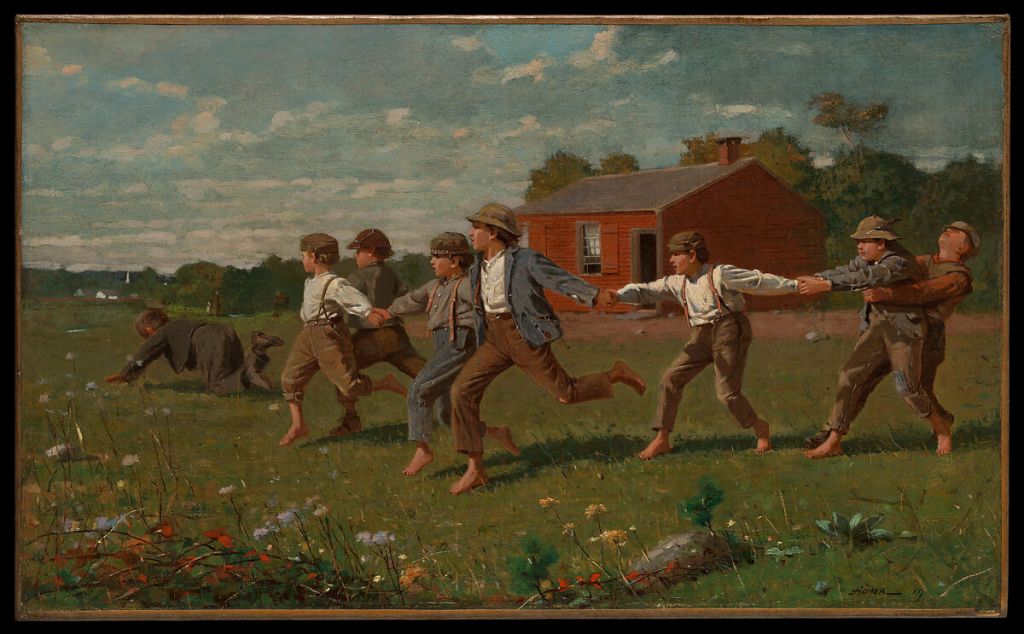
There is something about Winslow Homer’s paintings that makes you stop and take a breath. Maybe it’s the quiet honesty in the faces he painted, or the way the sea seems alive in his canvases, restless and untamable. Whatever it is, Homer remains one of those rare artists who could take ordinary scenes of American life and elevate them into something timeless, something that feels both familiar and larger than life.
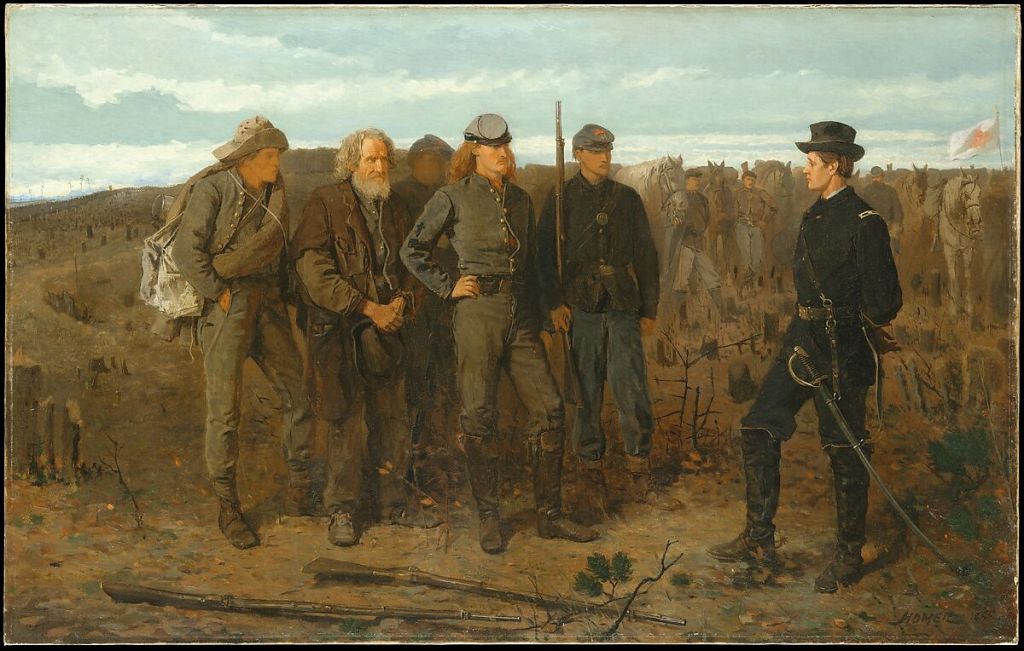
Born in Boston in 1836, Homer began his career as a commercial illustrator. It almost feels surprising, considering how later in life he would be celebrated for his atmospheric oil paintings and powerful watercolors. But those early years, sketching quickly and sharply for magazines like Harper’s Weekly, gave him an eye for immediacy. He learned to capture a scene in the moment, without embellishment. You can see it in his Civil War illustrations, where soldiers appear weary yet human, never idealized. That grounding in truth became his lifelong signature.
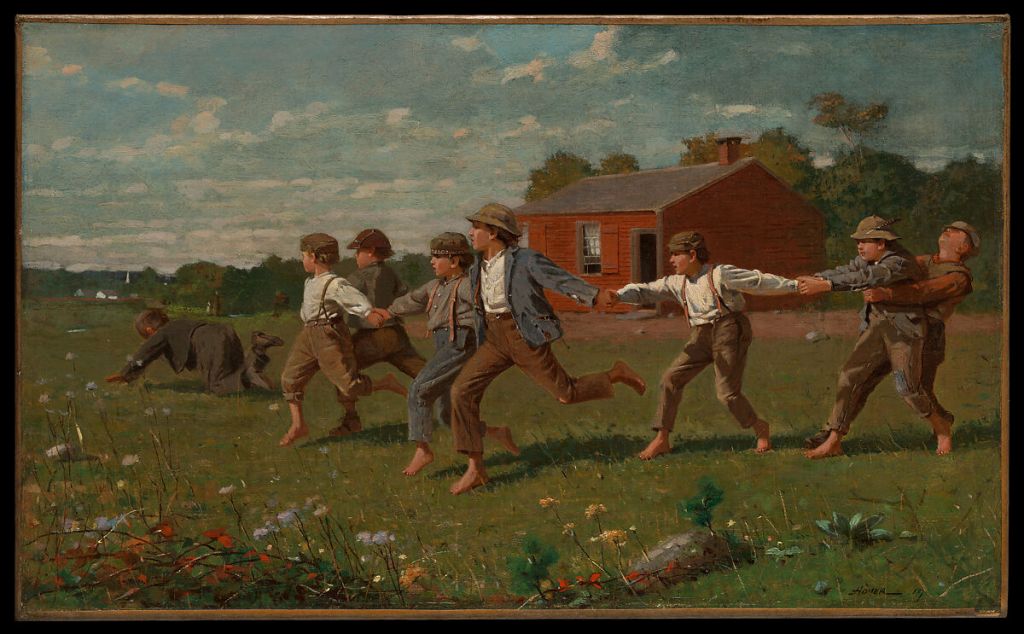
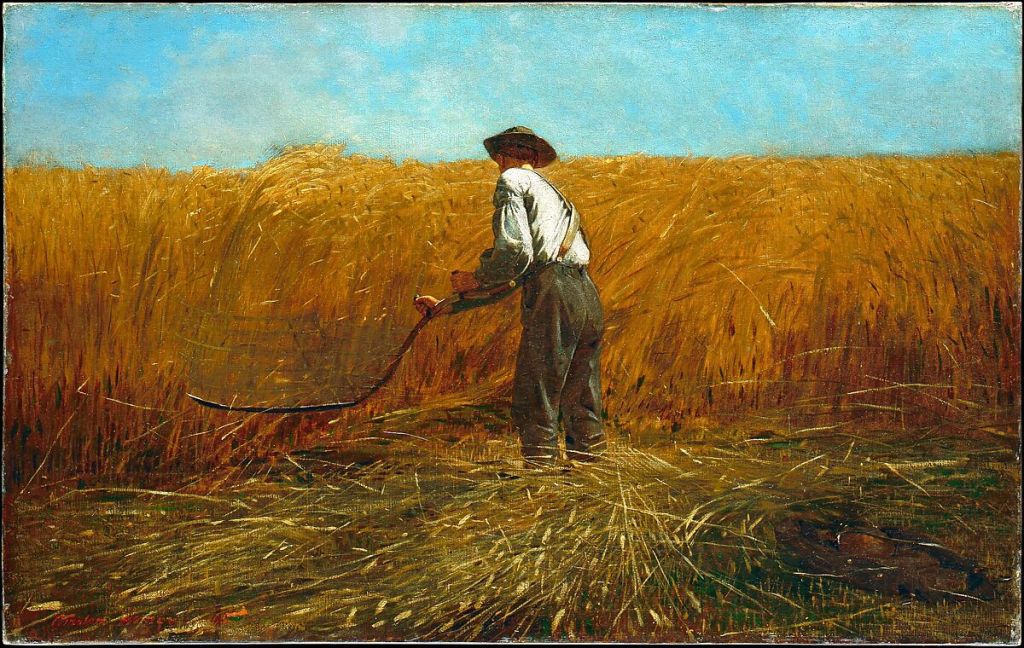
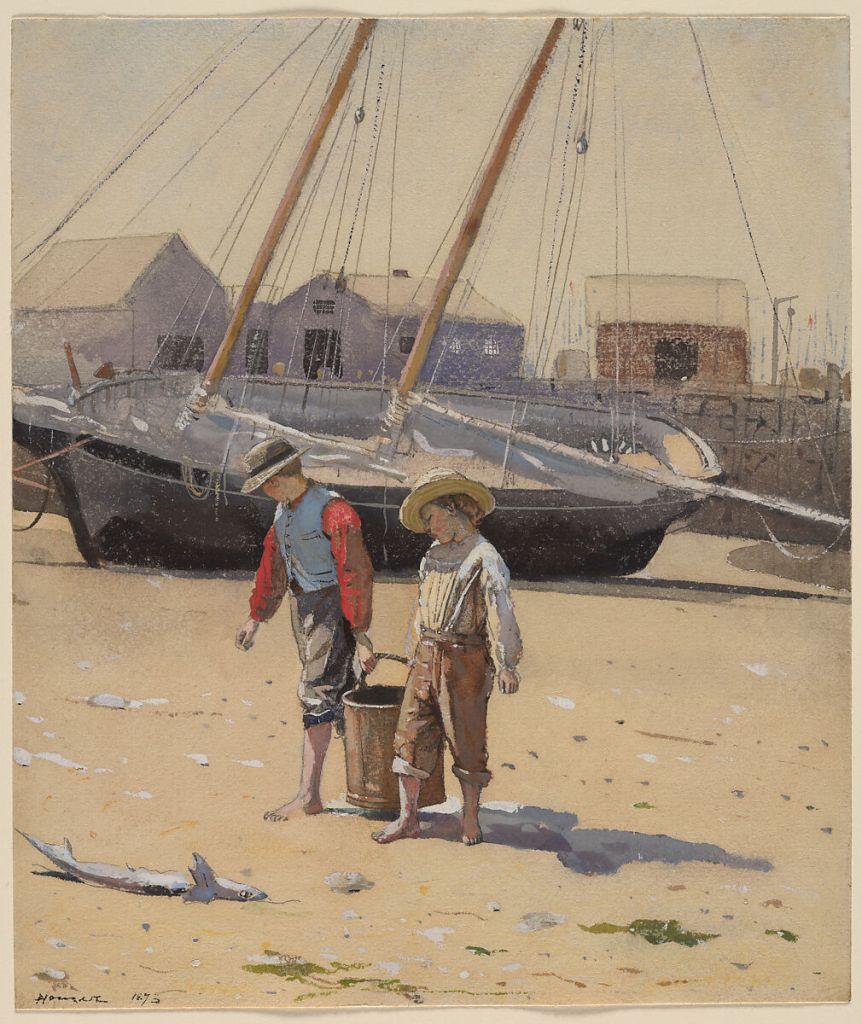
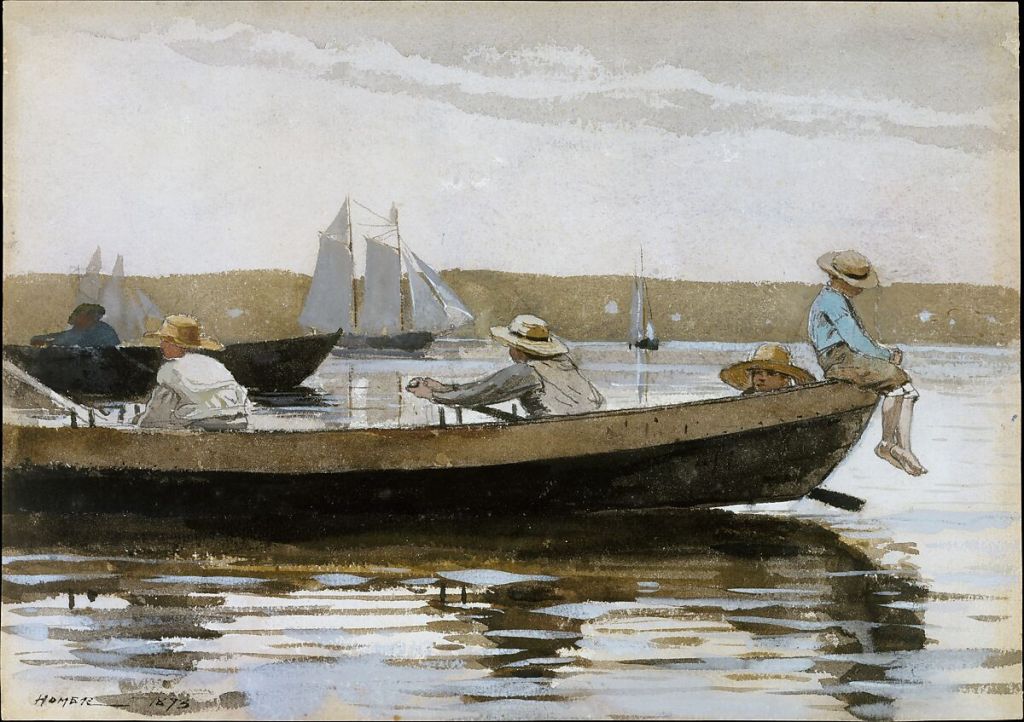
What fascinates me is how Homer’s art grew alongside the United States itself. During the Civil War, his work mirrored the rawness of conflict. Later, in the post-war years, his paintings turned toward rural life: schoolchildren in a sunny field, farm girls watching the horizon, fishermen battling the sea. There’s a quiet patriotism in his vision, but it’s not flag-waving or sentimental. Instead, it feels like he’s saying: this is America, these are the people, this is the land and sea that shape them.
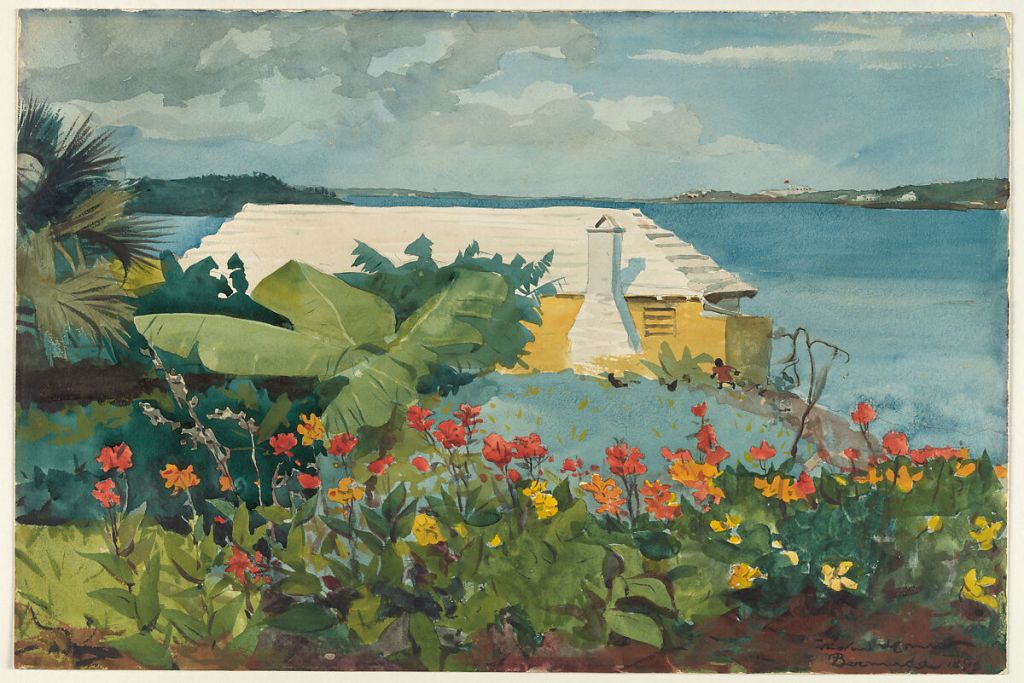
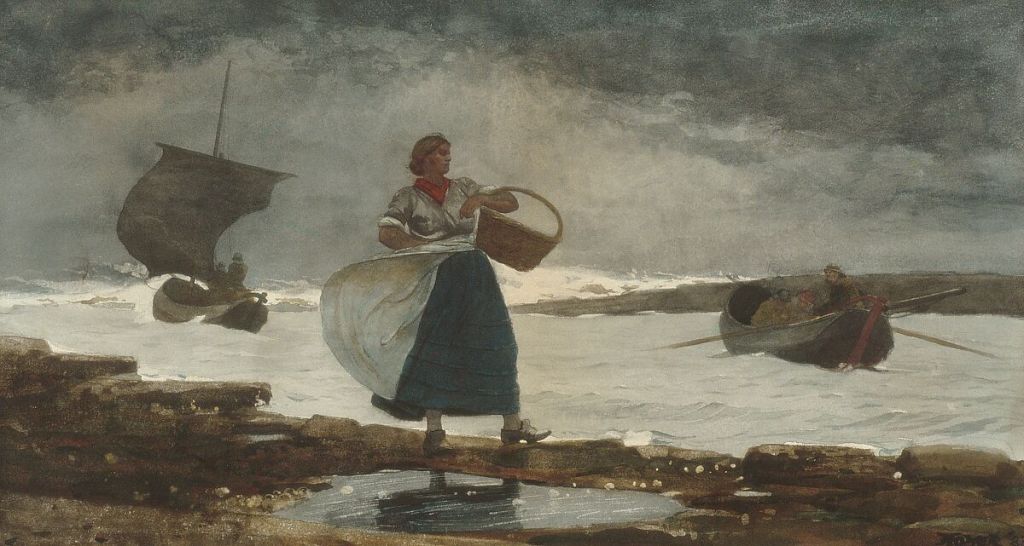
His watercolors, especially, have always struck me as small miracles. Light seems to seep through the paper, transparent yet strong. Whether painting the rugged coast of Maine or the tropics of the Bahamas, Homer had a knack for blending technical mastery with emotional resonance. You can almost taste the salt spray in The Gulf Stream or feel the tension of solitude in The Fog Warning. Honestly, few artists could balance beauty and unease the way he did.
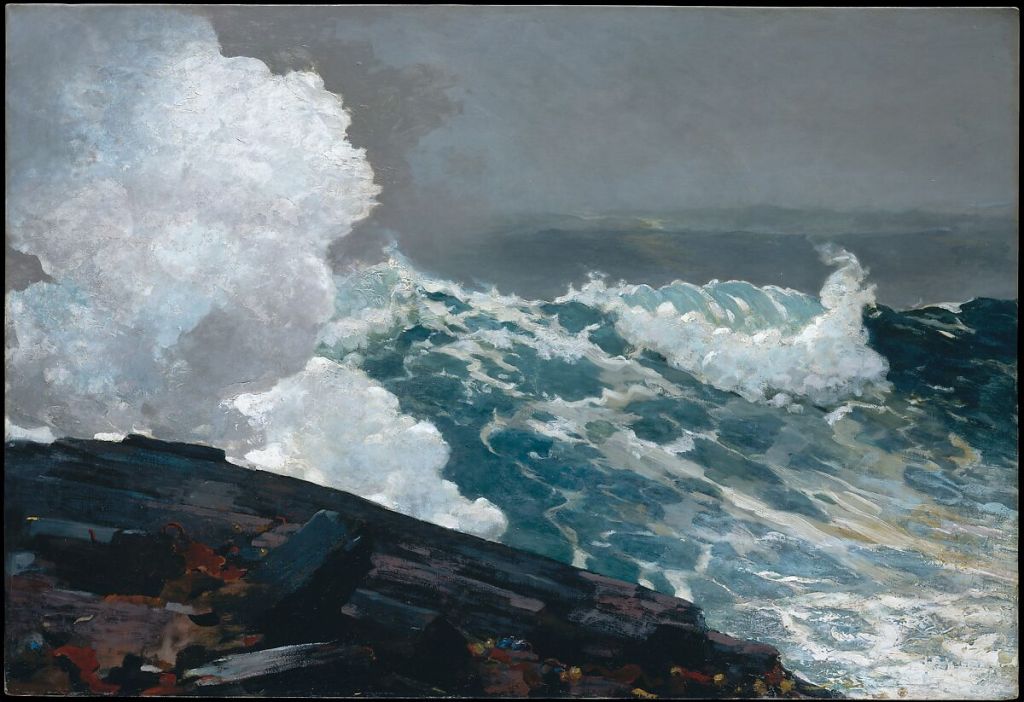
And yet, Homer was not one to seek fame. He lived much of his later life in Prouts Neck, Maine, in near seclusion, surrounded by the pounding Atlantic. That isolation gave his art a raw energy. He painted the sea not as a backdrop but as a force, almost a character in itself. Some of his greatest works show man dwarfed by nature, battling waves that seem eternal. It’s no wonder critics often connect him to themes of survival, resilience, and the human spirit in the face of nature’s indifference.
If there’s one gentle critique to make, it’s that Homer sometimes leaned into severity, especially in his later years. The starkness of his vision can feel heavy. But even then, that weight carries a strange beauty. It reminds us that art is not always meant to soothe; sometimes it unsettles, challenges, even humbles us.
Looking back now, it feels clear that Winslow Homer carved out a uniquely American voice in art. Not European grandeur, not romantic idealization, but something rooted in grit, honesty, and a reverence for both people and place. That’s why his paintings still speak so strongly today. They feel like home, even when they show hardship.
If you’re drawn to that same blend of realism and poetry, I think you’ll enjoy exploring more artworks in this spirit. We’ve gathered some beautiful digital prints inspired by classic masters and timeless scenes. You can find them through our shop and links on our website, a lovely way to bring a little of that spirit into your own space.

 Ngoluoc.vn
Leave a comment