
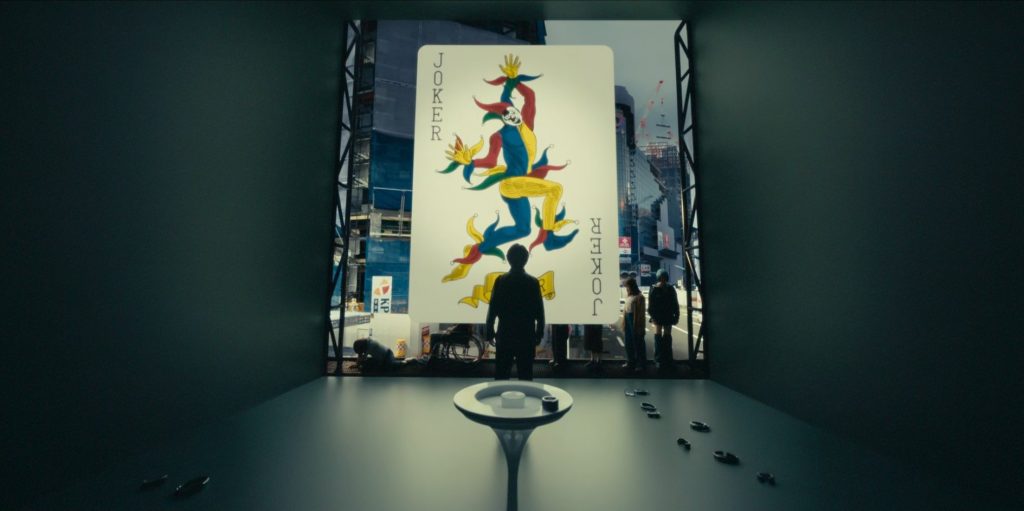
Mình phải thú thật ngay từ đầu, mình vốn không phải fan của dòng phim sinh tồn. Lúc As the Gods Will gây sốt, hay khi Squid Game nổ tung toàn cầu, mình vẫn khá hững hờ. Máu me, trò chơi chết chóc, nhân vật giãy giụa để tồn tại ,tất cả đều không hấp dẫn mình mấy, mình thích các thể loại film chậm dãi, nấu ăn, đọc sách hơn.
Nhưng rồi trong một buổi chém gió chuyện cùng hội Trai Ngoan aka The Good Dudes Club, QS suggest: “Ông thử xem Alice in Borderland đi” xong về nhà KieuMiii cũng bảo xem Và thế là mình vướng vào một trong những bộ phim sinh tồn Nhật Bản khá là đáng xem dù lúc đầu hơi khó bắt nhịp.
Ngay từ tập đầu tiên của season 2, Season 1 còn giải trí 1 chút, mình đã thấy Squid Game như mất hết sức nặng. Càng về sau, con mực càng thành một trò hơi “ngớ ngẩn” :)). Trong khi đó, Alice in Borderland không chỉ dừng ở mức survival drama. Nó pha fantasy, thriller, action và đặc biệt là season 3 đã mở rộng biên độ câu chuyện sang lãnh địa triết học, phân tâm học.
Cái kết của season 2 đã gây chấn động: hóa ra Borderland không phải thế giới song song nào đó, mà chính là khoảng không giữa sự sống và cái chết. Ai ngoài đời rơi vào trạng thái cận tử, hôn mê, sẽ trải nghiệm Borderland. Season 3 thì kéo ranh giới này còn mỏng hơn.
Trí nhớ, giấc mơ, deja vu, nghiên cứu về near-death experience đều đan xen, khiến Borderland giống một dạng ý thức tập thể (collective consciousness) của những người đang giành giật sự sống. Đây là một trong những ý tưởng hay nhất mà mình từng thấy ở thể loại survival drama. Nó vừa giống Inception của Nolan và vừa giống Vanilla Sky của Crowe nhưng nó lại kể 1 câu chuyện rất khác.
Những ý nghĩa đáng chú ý trong Alice in Borderland Season 3
- Chọn lựa và ý chí sống: Borderland ép nhân vật phải chọn. Sống hay buông xuôi. Arisu cuối cùng vẫn chọn sống, và điều đó khiến nhân vật này bước ra như một biểu tượng. Ký ức và sự thật: Dù khi trở về thực tại, ký ức mờ nhạt, nhưng trải nghiệm vẫn in hằn trong tâm hồn. Nó gợi nhắc đến câu hỏi: điều gì mới thật sự định nghĩa con người?
- Khám phá cái chết: Joker, Watchman xuất hiện như những người gác cổng. Không chỉ trò chơi sinh tử, Borderland còn là cách phim đặt vấn đề: sau cái chết có gì? Là người hay tò mò về near-death experiences, mình thấy season 3 thực sự gợi mở. Nó vừa đáng sợ, vừa quyến rũ, như một cánh cửa ta không dám bước qua nhưng lại muốn ngó vào.
- Cái hay ở season 3 là phim kéo ranh giới đó còn mỏng hơn nữa. Ký ức, mộng mị, deja vu, thậm chí cả những nghiên cứu khoa học giả tưởng về trải nghiệm cận tử cũng chen vào.
- Nhân vật Ryuji đóng vai trò người nghiên cứu near-death experiences, biến Borderland thành không chỉ trò chơi, mà còn là một dạng ý thức tập thể ( collective consciousness) của những ai đang giành giật sự sống ngoài kia. Ý tưởng này làm mình rùng mình thật sự, kiểu vừa đáng sợ vừa lôi cuốn.
- Điểm trừ vẫn có, nhưng ko đến nỗi :
- Arisu bị “buff” thành Neo phiên bản Nhật gần như không thể chết. Anh là “Vua Trò Chơi” cmnr.
- Usagi thì có nhiều hành động khó hiểu, chi tiết có bầu làm mình hơi tụt mood.
- Watchman và trò chơi cuối khá vội, giải thích chưa đủ rõ khiến người xem hụt hẫng.
- Và không thể tránh khỏi, Netflix sẽ thương mại hóa, mở đường cho spin-off quốc tế như cách Squid Game đang đi.
- Nhưng so sánh một cách sòng phẳng, Alice in Borderland vượt trội hơn hẳn về kịch bản, kỹ xảo và khả năng đặt vấn đề. Đây không chỉ là series sinh tồn, mà là một bản suy ngẫm về sự sống, cái chết và giá trị con người.
- Nếu ace đang tìm một bộ phim sinh tồn mà không chỉ dừng ở mức giải trí, Alice in Borderland season 3 chính là lựa chọn. Nó có đủ hồi hộp, hành động, nhưng quan trọng hơn, nó đặt ra những câu hỏi lớn khiến bạn còn nghĩ mãi sau khi phim kết thúc.
- Và mình dám chắc, nếu từng “hững hờ” với Squid Game, bạn sẽ ngạc nhiên với cách Alice in Borderland dẫn dắt trí tò mò, và biết đâu, khiến bạn nhìn cuộc sống – và cả cái chết – khác đi một chút.
Alice in Borderland Season 3 Review: When the Game Stops Being Fun and Turns into the Border Between Life and Death
I’ll be honest right from the start I’ve never really been a fan of survival dramas. When As the Gods Will was trending, or when Squid Game exploded worldwide, I was pretty indifferent. The blood, the deadly games, characters scrambling to survive – none of it really appealed to me. Personally, I’ve always leaned toward slower films, something cozy like cooking or reading stories.
But then, during a chat with my crew (The Good Dudes Club), QS casually suggested: “You should try Alice in Borderland.” Later that evening, even KieuMiii at home told me to give it a shot. And that’s how I stumbled into one of the most intriguing Japanese survival dramas on Netflix, even if it took me a while to warm up to it.
By the time I reached season 2, I realized something: Squid Game had completely lost its weight for me. The further it went, the sillier it became. Meanwhile, Alice in Borderland refused to stay in the basic survival-drama lane. It blended elements of fantasy, thriller, and action – but in season 3, it took a bold leap into philosophy and psychology.
Season 2 had already shocked viewers with its big twist: Borderland wasn’t a parallel universe at all. It was actually the liminal space between life and death. Anyone in a near-death or coma state in the real world could find themselves there. Season 3 stretched that boundary even thinner. Memories, dreams, déjà vu, and even near-death research became tangled into the narrative, turning Borderland into a kind of collective consciousness shared by those on the edge of survival. Honestly, it’s one of the most fascinating concepts I’ve ever seen in the survival genre. At times, it reminded me of Nolan’s Inception or Cameron Crowe’s Vanilla Sky, but still managed to tell its own unique story.
- Choice and the will to live: Borderland forces its characters to face the ultimate decision – fight for life or surrender. In the end, Arisu chooses to live, which makes him more than a survivor – he becomes a symbol.
- Memory and truth: Even when memories fade upon returning to reality, the emotional scars remain. It raises the question: what truly defines who we are?
- Exploring death: Figures like Joker and the Watchman act as gatekeepers, leading us to confront the haunting question: what lies beyond death?
As someone naturally curious about near-death experiences, I found season 3 deeply thought-provoking. It’s terrifying, yet strangely seductive – like a door you’re too afraid to open but can’t stop staring at.
Of course, it’s not perfect. Arisu gets “buffed” into something like a Japanese Neo from The Matrix, nearly untouchable. Usagi makes some confusing choices, and the pregnancy subplot felt unnecessary to me. The Watchman and the final game were rushed, with too little explanation. And yes, I can already see Netflix steering this toward international spin-offs and heavy commercialization, just like Squid Game.
But to be fair, Alice in Borderland outshines Squid Game in storytelling, execution, and thematic depth. It’s not just about survival games. It’s a meditation on life, death, and what it means to truly live.
If you’re searching for a Japanese survival drama on Netflix that goes beyond surface-level thrills, Alice in Borderland season 3 is absolutely worth it. It delivers suspense and action, but more importantly, it asks big questions that will linger long after the final credits roll.
And honestly, if you’ve ever been lukewarm about Squid Game like I was, you might be surprised at how Alice in Borderland sparks your curiosity – and maybe even changes the way you look at life, and death, just a little.
 Ngoluoc.vn
Leave a comment